
Market momentum is largely fueled by the dual pressure of rising energy costs and the necessity of renovating aging infrastructure. As construction activity accelerates in major economies, developers are prioritizing thermal performance to meet stringent international building codes. Europe currently leads the sector, holding a 35.4% market share as of 2025, followed by North America, where demand is bolstered by established regulatory frameworks like the ASHRAE Standard 90.1.
Global Building Insulation Market Projected to Reach $43 Billion by 2031
The global market for building thermal insulation is set for steady expansion, with valuations expected to climb from $33.59 billion in 2026 to $43.47 billion by 2031. Driven by a 5.29% compound annual growth rate, the sector is increasingly shaped by rigid energy efficiency standards and a global shift toward decarbonization.
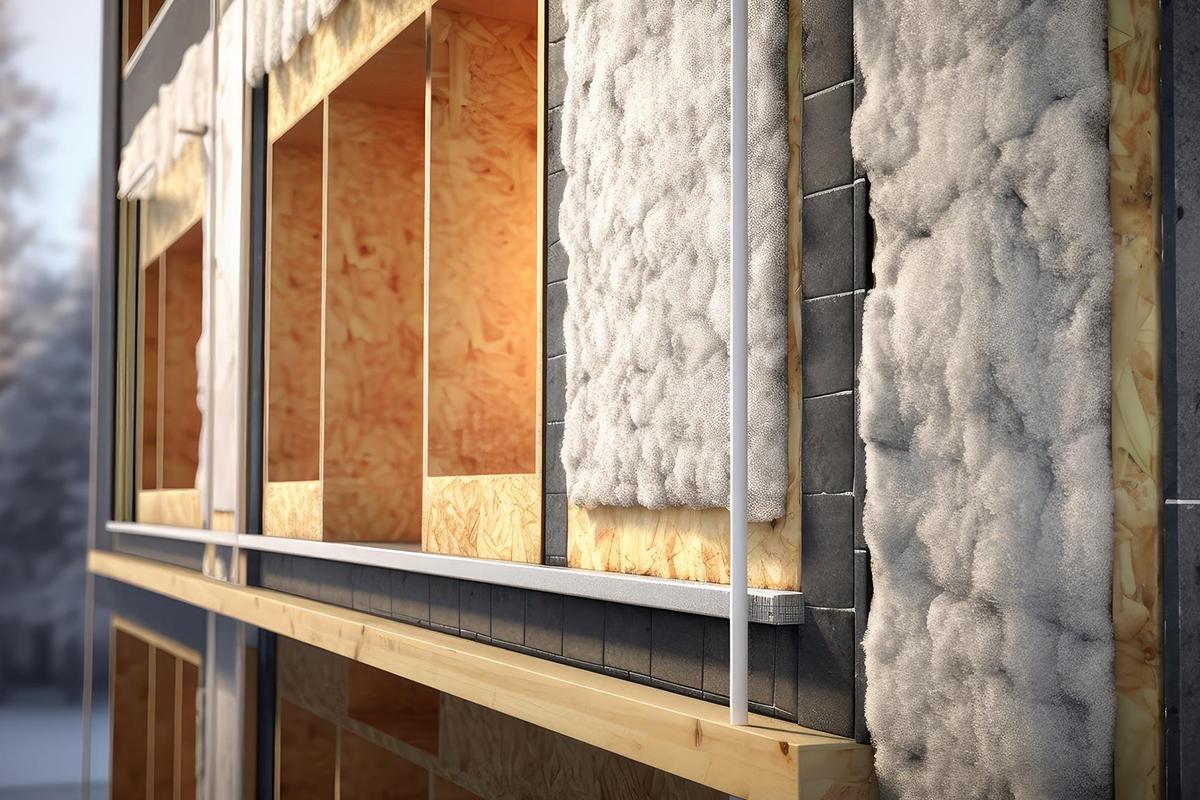
Residential projects remain the primary engine of the industry, accounting for 52.9% of the total value. However, the non-residential segment continues to command significant volume, as commercial and industrial facilities seek high-performance materials to manage heat loss and satisfy acoustic requirements. Among available materials, plastic foam is emerging as the fastest-growing segment, while glass wool maintains a strong position due to its versatility in fire resistance and ease of installation. Roof insulation remains a critical application, serving as a primary defense in both new builds and retrofit initiatives. Major industry participants, including Kingspan Group, Saint-Gobain, and Owens Corning, continue to dominate the landscape, though specialized firms are increasingly carving out niches in a market defined by the growing demand for sustainable, green building solutions.



Comments (0)
No comments yet. Be the first!