
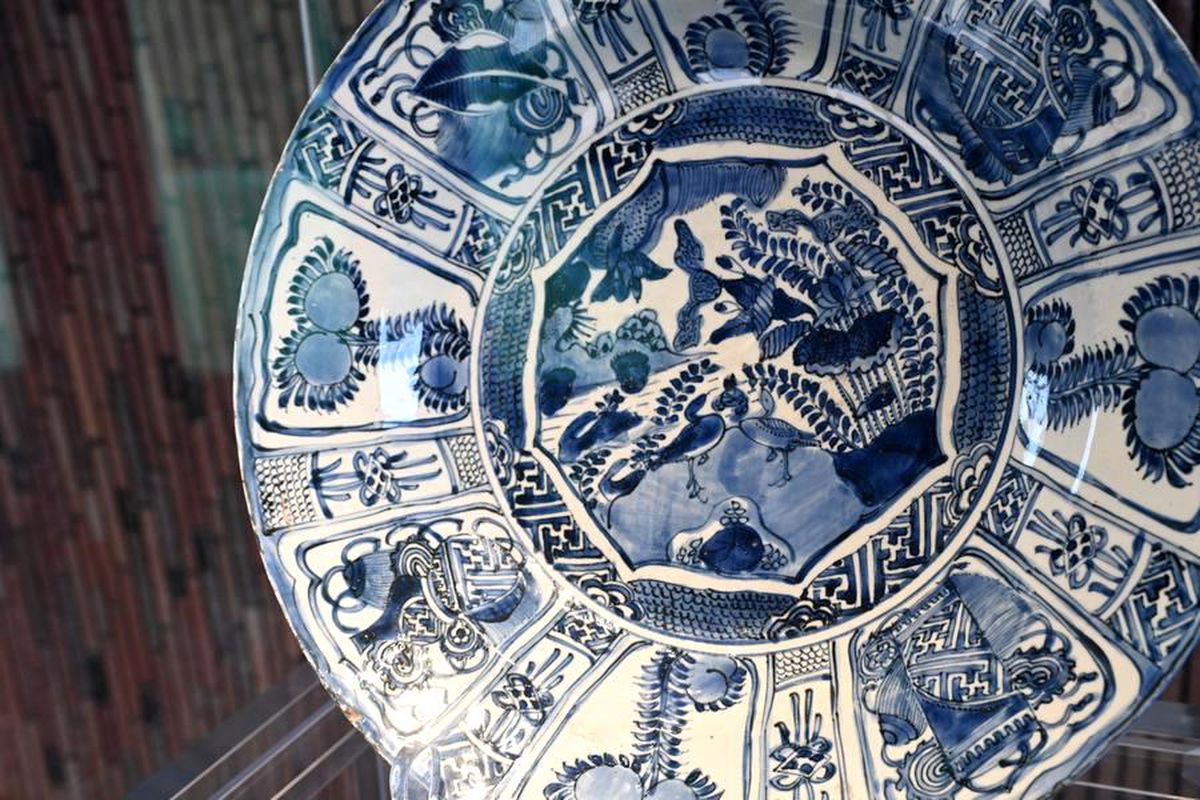
The site preserves a comprehensive production system that drove global ceramic manufacturing between the 10th and 19th centuries. Comprising 45 component areas across 1,979 hectares, the property documents the entire industrial chain—from the extraction of kaolin clay and porcelain stone to the historic workshops and transit networks that once connected Jingdezhen to the world.
UNESCO recognized the region under four cultural criteria, citing its role in the evolution of porcelain technology and its influence on cross-cultural artistic exchanges. The committee specifically highlighted the development of blue-and-white porcelain, which integrated Chinese craftsmanship with Persian cobalt pigments to shape the "chinoiserie" style that later dominated European decorative arts in the 17th and 18th centuries.



Comments (0)
No comments yet. Be the first!