
The shift in dimensions addresses the primary criticism leveled at previous generations, which often felt too narrow for comfortable typing or media consumption. By widening the chassis, Samsung has aligned the device more closely with standard smartphone ergonomics, making the transition between folded and unfolded states feel more natural. Early feedback suggests the company has finally found a balance that justifies the existence of a foldable phone beyond mere novelty.
Samsung pivots toward practical foldable designs
After years of experimental form factors, the latest Samsung Galaxy Z Fold 8 is finally hitting the mark with a refined, wider footprint. While the steep price tag remains a barrier to mass adoption, the hardware design is moving away from niche curiosity toward a genuinely compelling daily driver.
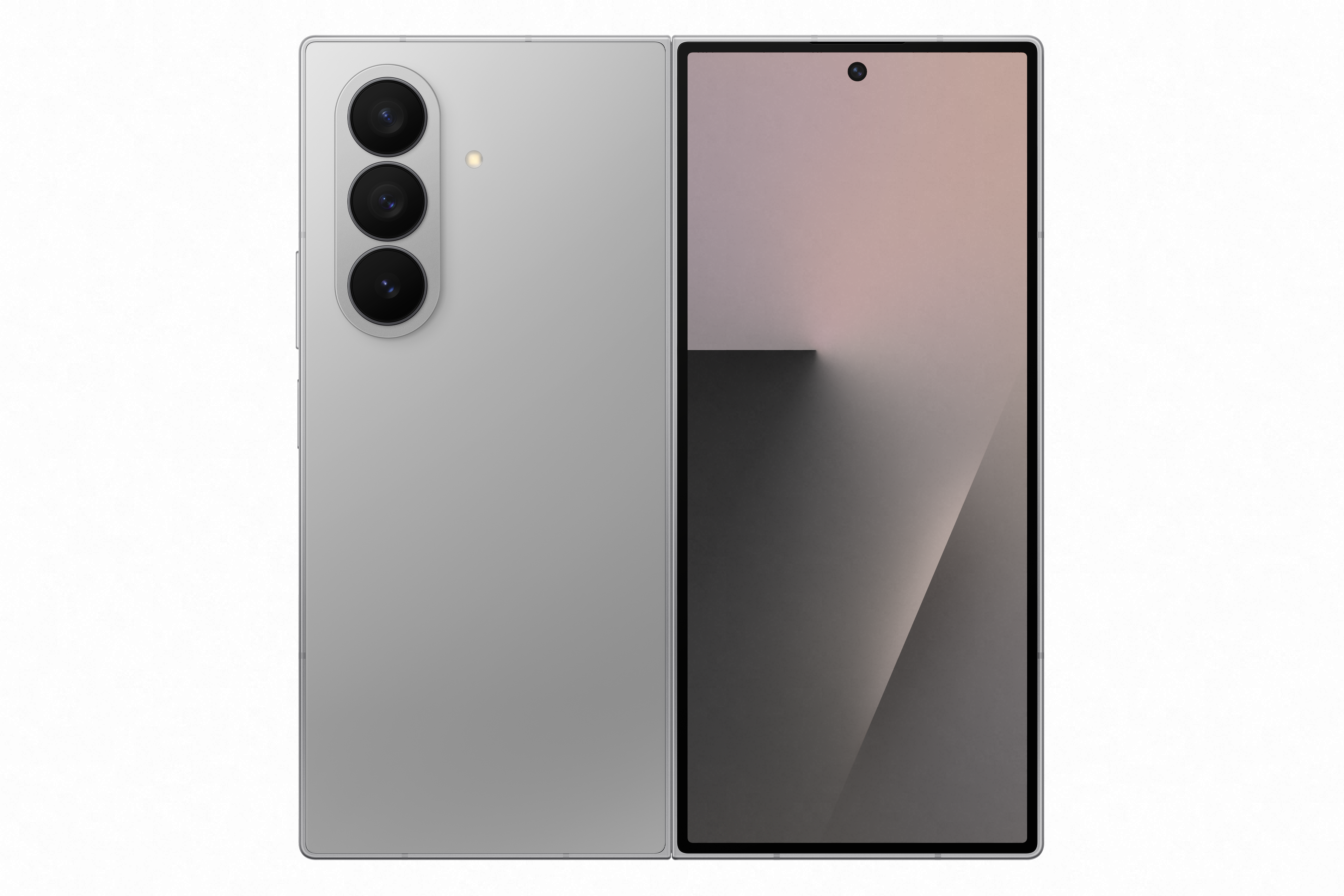
Despite these physical improvements, the economic hurdle persists. The device still commands a premium that keeps it out of reach for most consumers, limiting its presence to a small segment of the market. However, the hardware trajectory indicates that Samsung is refining its engineering strategy, prioritizing usability and screen real estate over the gimmicky aesthetics that defined the product line’s early years.




Comments (0)
No comments yet. Be the first!