
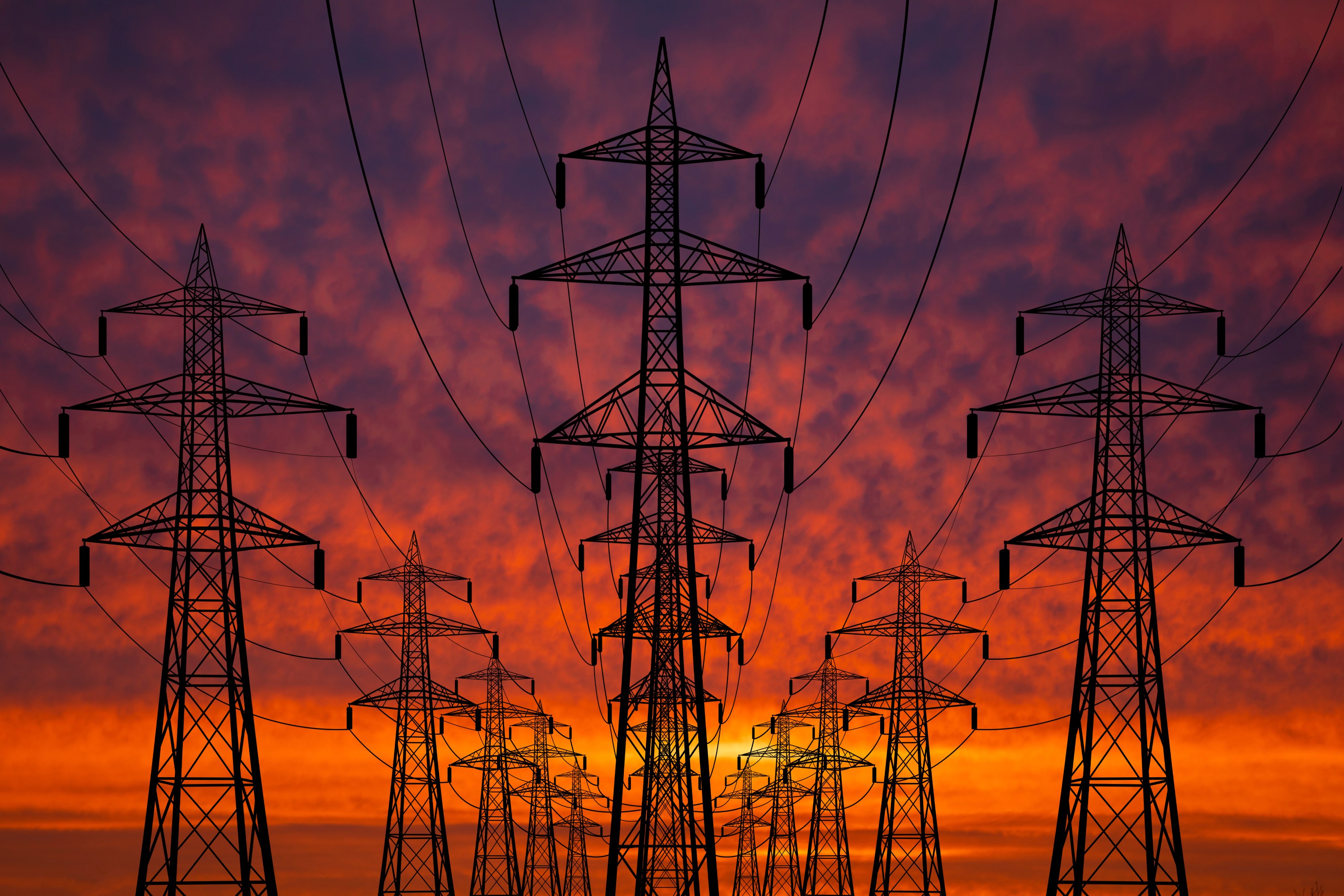
Modernizing the electric grid requires a delicate balance between massive infrastructure investments and the tactical deployment of local resources. During the event, Sanford Fisher emphasized that while long-term spending on transmission and generation remains essential, distributed energy resources—such as local generation and efficiency measures—offer immediate flexibility. By integrating these assets effectively, utilities can better manage costs and local reliability while reducing the strain on the broader system.
The conversation surrounding these technologies is shifting from simple compensation models to their strategic role within the total grid architecture. According to Sanford Fisher, true efficacy depends on treating these resources as reliable grid assets that can be called upon during periods of high demand. Achieving this level of integration necessitates a coordinated effort between policymakers, tech developers, and utilities to ensure that local assets respond to real-world operational needs rather than acting as independent units.



Comments (0)
No comments yet. Be the first!