
Personal trainer Peter Embiricos, referencing findings published in the British Journal of Sports Medicine, emphasizes that the most significant gains occurred among the least active individuals. The data revealed that 40% of users successfully increased their daily step count by over 1,000 steps within the first year, maintaining that momentum through the two-year mark. This suggests that the combination of goal-setting and consistent feedback functions as a viable mechanism for behavior change.
Digital Tracking Drives Long-Term Exercise Habits
A two-year study of 500,000 participants suggests that fitness applications are powerful catalysts for sustained physical activity. By transforming abstract goals into visible, incremental progress, these digital tools help users bridge the gap between initial motivation and the creation of permanent, healthy daily routines.
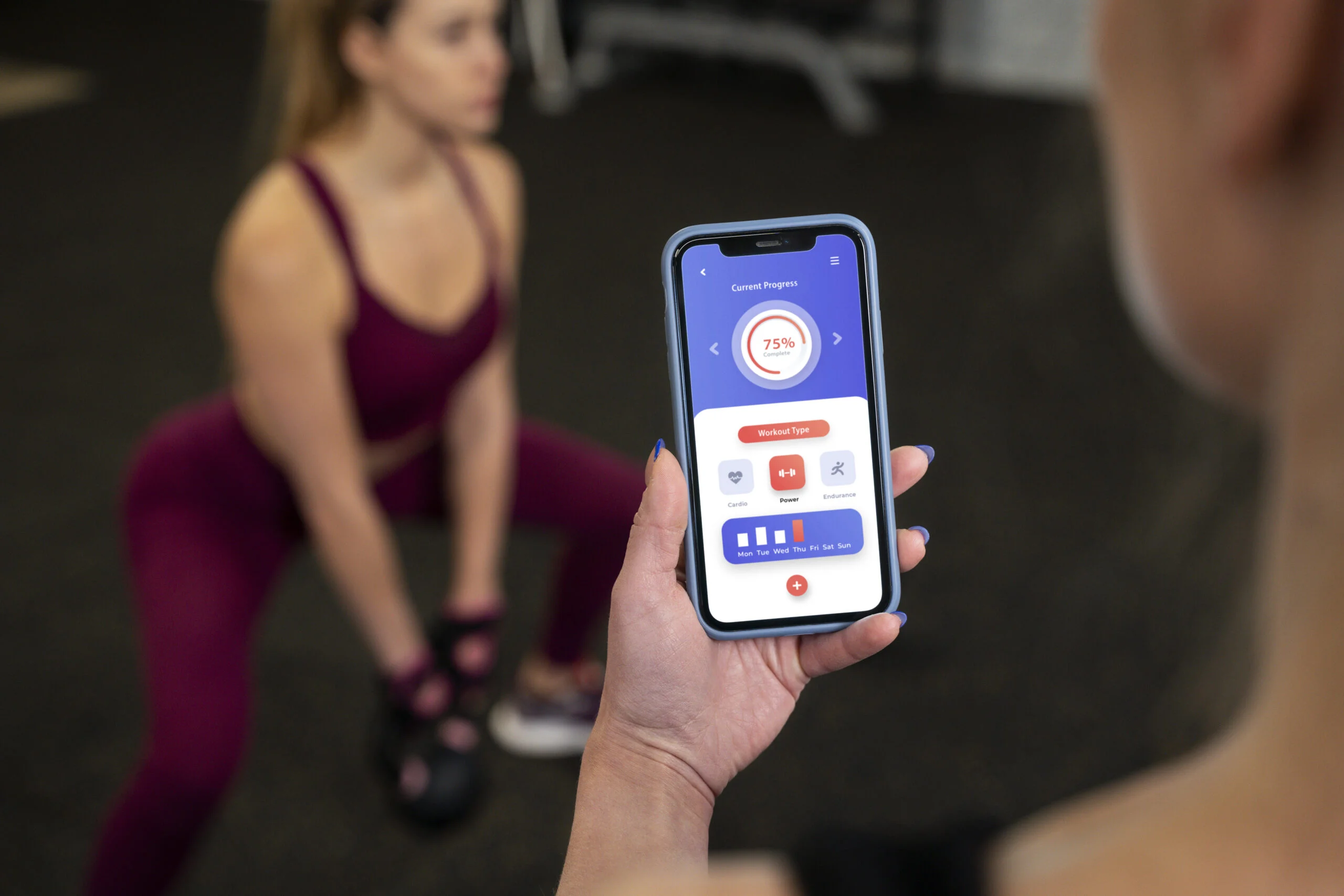
Embiricos argues that the efficacy of these apps lies in their ability to shift focus away from radical lifestyle overhauls toward achievable, daily milestones. While technology provides the necessary data and motivation to keep users engaged, he cautions against viewing apps as a complete fitness solution. To see lasting results, users should integrate these digital tools with structured exercise regimens and professional guidance. By treating technology as a support system rather than a replacement for expert oversight, individuals are better equipped to turn minor daily adjustments into long-term health improvements.




Comments (0)
No comments yet. Be the first!