
Biopharmaceutical manufacturers are increasingly pivoting toward airlift bioreactor systems to replace traditional stirred-tank models. The shift is largely dictated by a need for enhanced mass transfer and lower mechanical shear, which preserves the viability of sensitive cells during complex fermentation processes. As the industry scales the production of biologics, cell-based therapies, and regenerative medicines, these systems offer a critical balance of efficiency and cost-effectiveness.
Airlift Bioreactor Market Poised for Growth as Biologics Demand Soars
The global market for airlift bioreactors is set to expand from USD 2.96 billion in 2025 to USD 8.20 billion by 2035, according to projections from Future Market Insights. This growth, driven by a 10.7% compound annual rate, reflects the rising industrial reliance on precision bioprocessing for sensitive cell cultures and vaccines.
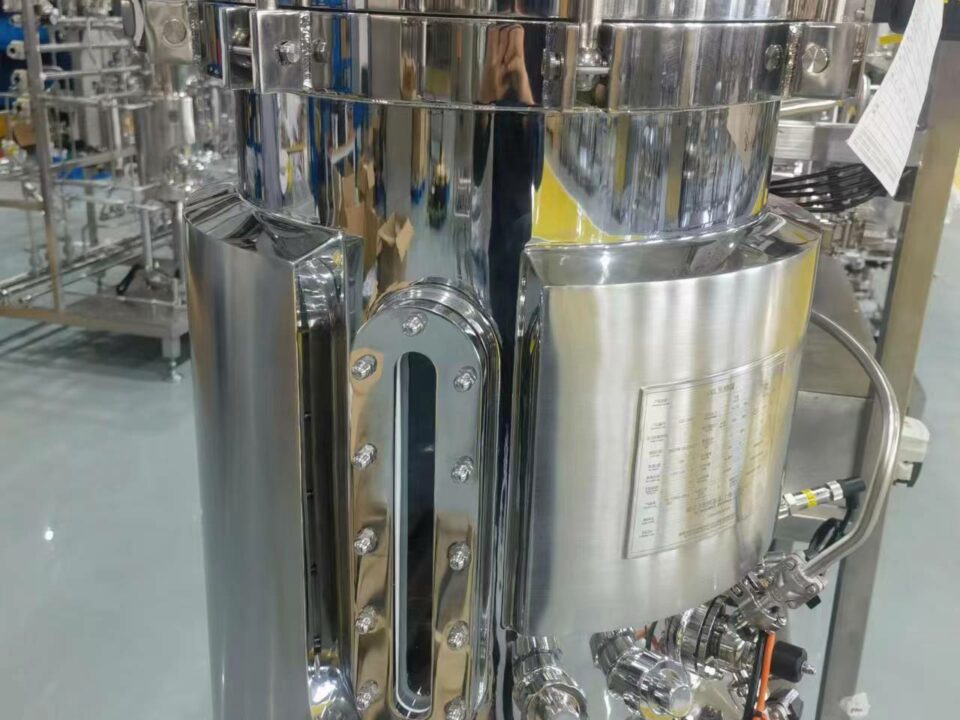
Technological integration is a primary driver behind this expansion. The adoption of single-use bioprocessing is shortening production cycles and reducing the financial burden of cleaning and validation protocols. According to Anurag Sharma, a principal analyst at Future Market Insights, the move toward sustainable manufacturing and next-generation bioprocessing makes the low-shear environment of airlift designs a vital asset for modern life science applications. While high capital requirements and regulatory complexities remain, the sector continues to evolve through advancements in synthetic biology and automation, positioning these bioreactors as a cornerstone of future global vaccine and enzyme production.



Comments (0)
No comments yet. Be the first!