
The collaboration leverages Venus Aerospace’s proprietary engine architecture, which generates thrust through continuously traveling detonation waves rather than traditional subsonic combustion. This shift promises increased efficiency, offering potential gains in missile range and speed. Lockheed Martin intends to integrate this propulsion system into its existing missile platforms, focusing on scalability and manufacturability to meet modern military demands.
Lockheed Martin and Venus Aerospace Partner on Detonation Engine Tech
Rotating detonation rocket engines are moving toward military application as Lockheed Martin and Venus Aerospace sign a pact to test the technology for long-range precision fires. The agreement aims to bridge the gap between Venus’s recent flight demonstrations and the operational requirements of the U.S. defense industrial base.
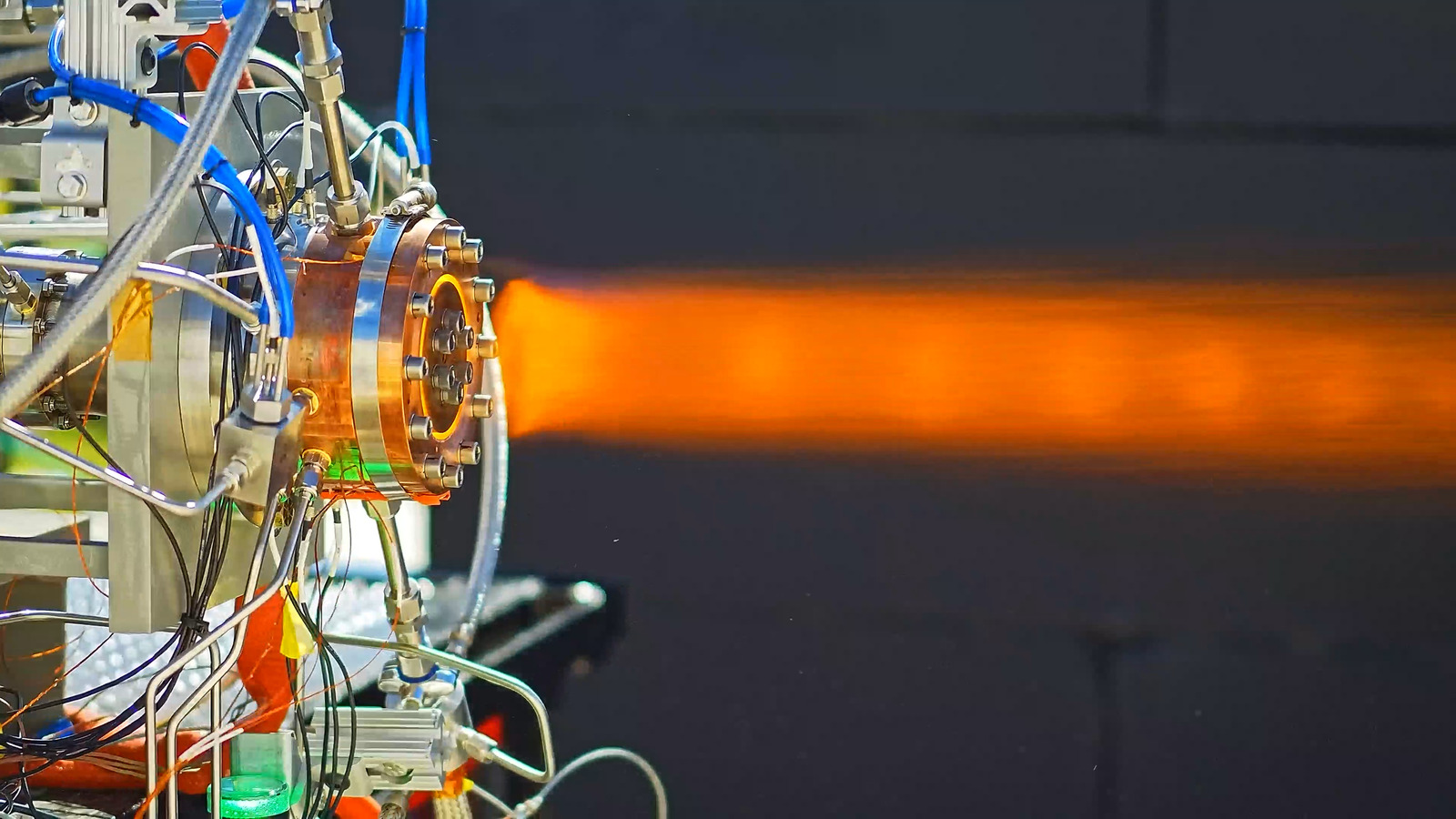
Tim Cahill, president of Lockheed Martin Missiles and Fire Control, stated the partnership is designed to accelerate innovation and reduce the technical risks associated with adopting new propulsion methods. For Venus Aerospace, the deal provides a pathway to deploy its breakthrough beyond experimental flight tests. CEO Sassie Duggleby noted that defense customers are seeking more than incremental upgrades, positioning the detonation engine as a solution for systems requiring greater reach and rapid response times.


Comments (0)
No comments yet. Be the first!