
I had dismissed the buzz surrounding the film’s status as the first feature shot entirely with 70mm IMAX cameras as clever industry posturing. My initial encounter with the film in a 35mm format felt competent, yet the most ambitious sequences failed to land with their intended impact. The shift to the larger format fundamentally altered the experience, transforming visual confusion into clarity.
Why The Odyssey demands the IMAX screen
Watching Christopher Nolan’s The Odyssey on a standard screen left me questioning the film's fantastical set pieces, as if something vital were missing from the frame. It took a second viewing in a 70mm IMAX theater to realize that the director’s technical choices were not merely marketing hype, but essential narrative tools.
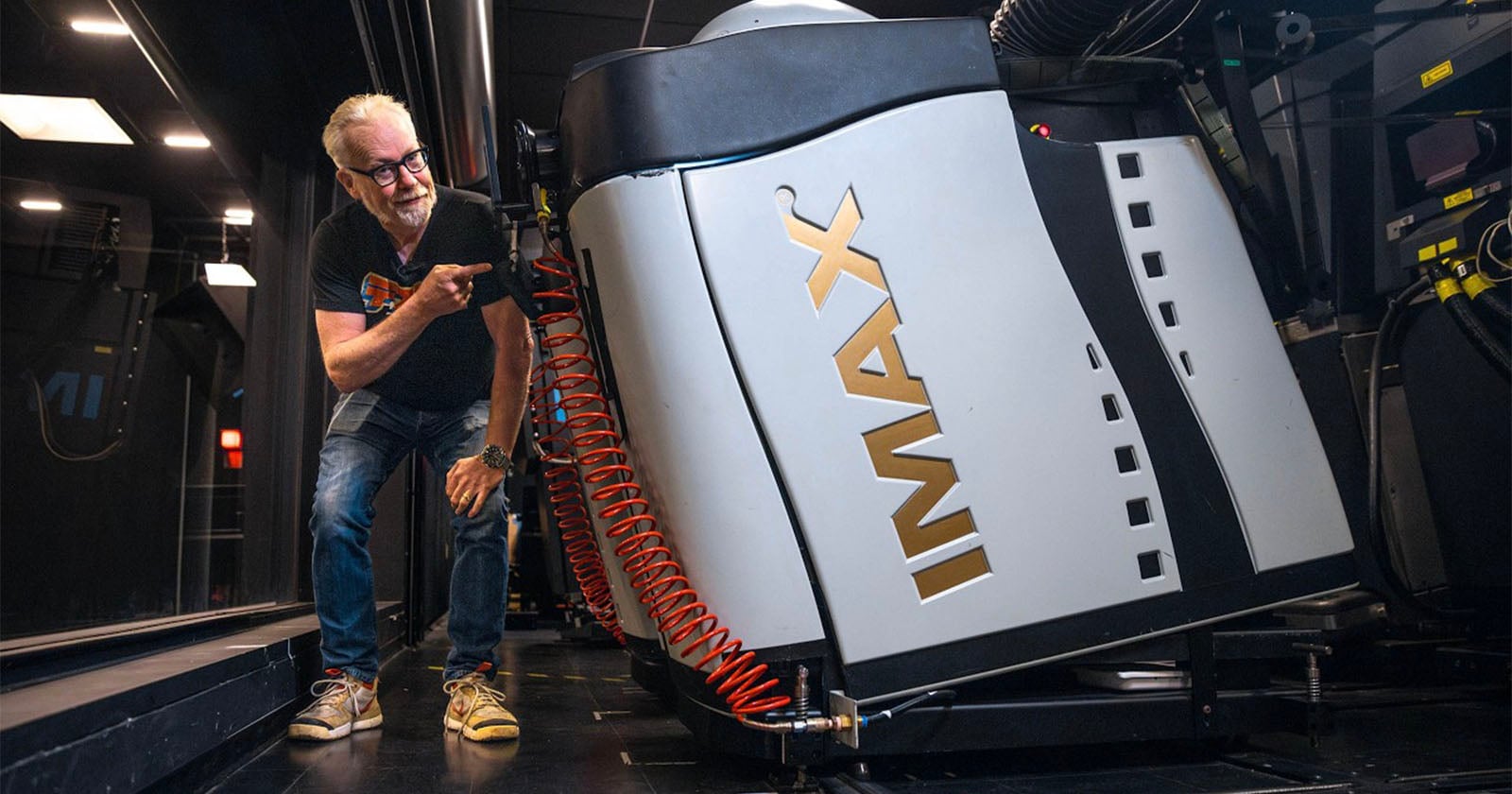
While wide shots of Matt Damon as Odysseus navigating the Mediterranean look perfectly acceptable in smaller formats, they lack the immersive gravity Nolan requires. The claustrophobic tension inside the Trojan horse or the sweeping scale of the sea are not merely aesthetic flourishes; they are structural components of the story. Without the expansive canvas of IMAX, the film’s specific visual language feels compressed, stripping away the very scale that justifies the adaptation of Homer’s ancient epic.


Comments (0)
No comments yet. Be the first!