
The device features a mechanical gimbal arm that retracts into the phone body when not in use. According to Honor product expert Thomas Bai, the engineering feat required repurposing steel and titanium alloys from the Magic V6 hinge to ensure the micro-motors remained both rigid and ultra-thin. The resulting system is the industry’s smallest 4DoF gimbal, offering roughly 360-degree subject tracking that functions similarly to a dedicated DJI Osmo Pocket. By combining this hardware with a phone, Honor aims to provide a streamlined experience for content creators who currently rely on separate devices for high-end video capture.
Honor’s Gimbal Phone is a breakthrough camera, not a robot
Honor’s long-teased Robot Phone has finally surfaced at MWC, revealing itself to be less of a companion droid and more of a sophisticated mobile gimbal. By integrating a retractable 200-megapixel camera arm into the chassis, Honor is betting that hardware-level stabilization will outpace the industry's shift toward software-based video processing.
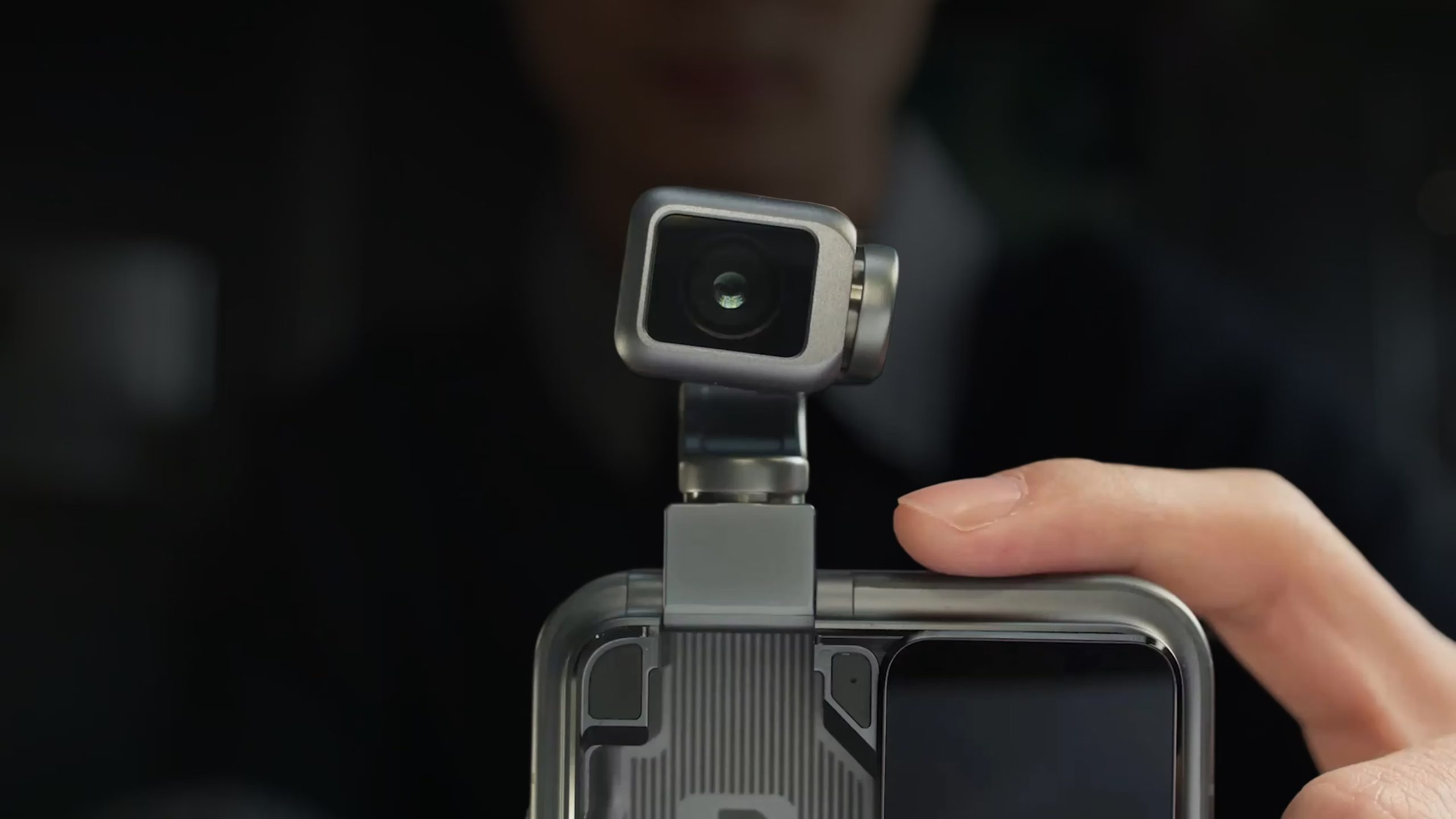
Despite the "Robot Phone" branding, the AI persona remains an underdeveloped curiosity. Demos showed a basic chatbot capable of nodding or dancing to music, but the company’s vision for a "humanlike companion" feels disconnected from its practical utility. While the phone is slated for a Chinese release in the second half of this year, Honor remains non-committal about a global launch. Facing stiff competition from software-led solutions like Samsung’s Horizon Lock and professional-grade modular cages from rivals like Vivo, Honor’s success will likely depend on whether its complex mechanical solution provides a tangible quality advantage over increasingly powerful image processing algorithms.




Comments (0)
No comments yet. Be the first!