
Learning to swim is a gradual progression of safety skills and water confidence. For infants, the goal is familiarity—supported floating and breath control—rather than technical proficiency. These early sessions prioritize security, with progress varying significantly between children. As toddlers advance to structured lessons, the focus shifts to basic movements like kicking and bubbling, a phase that typically spans several months depending on lesson frequency and individual comfort levels.
Mapping the Timeline for Children’s Swimming Lessons
For parents wondering how quickly a child will master the water, the reality is defined by developmental stages rather than a calendar. Woody Alpern, an Atlanta-based swimming expert, emphasizes that infant comfort, toddler coordination, and school-age stroke development each follow unique, non-linear paths toward water safety.
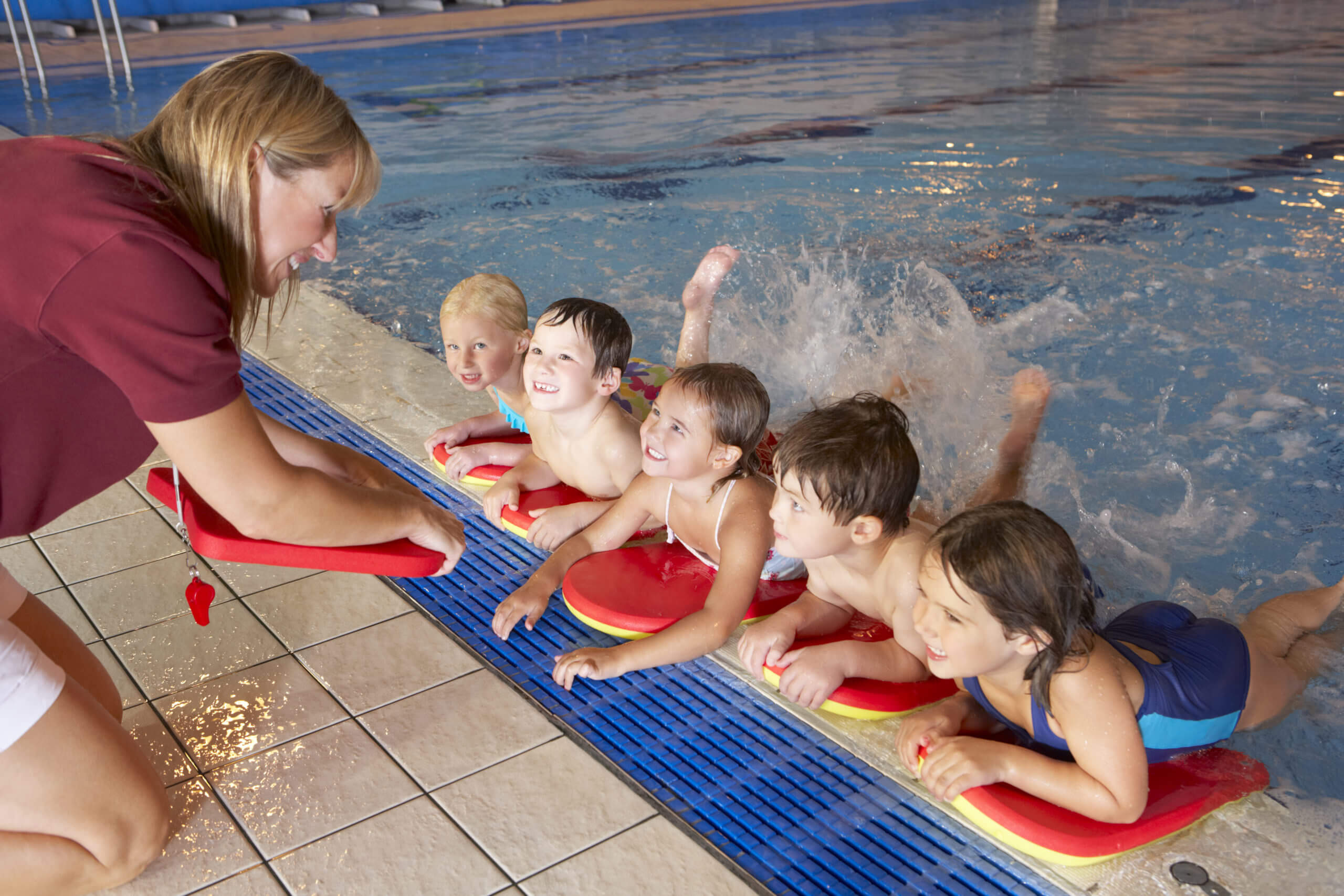
Between ages four and six, children often transition toward independent swimming, including unassisted floating and reaching the pool's edge. While some hit these milestones in a few months of weekly classes, others require a year or longer to refine their motor skills. For those over six, the emphasis moves to coordinated strokes and treading water. Because these students possess stronger foundational abilities, their development often accelerates, though consistency remains the primary driver of success. Alpern suggests that rather than fixating on a fixed timeline, parents should prioritize mastery and positive reinforcement to ensure long-term safety and water enjoyment.



Comments (0)
No comments yet. Be the first!