
The scale of the threat has outpaced traditional security measures. Department of Energy data shows 163 electrical incidents linked to vandalism or physical attacks in 2022, a decade-long peak. The situation worsened by 2025, when the North American Electric Reliability Corp’s E-ISAC reported over 3,500 physical security incidents. A February 2026 breach in Boulder City, Nevada, where a vehicle smashed through a substation perimeter, underscores the vulnerability of remote, lightly fenced facilities.
Energy Sector Turns to AI-Driven Monitoring to Combat Grid Attacks
With copper theft costing U.S. utilities $1 billion annually and physical attacks on power infrastructure reaching record highs, energy operators are moving away from passive surveillance. Dallas-based ECAM is deploying AI-driven, live video monitoring to secure remote, unstaffed sites before intruders can cause lasting damage.
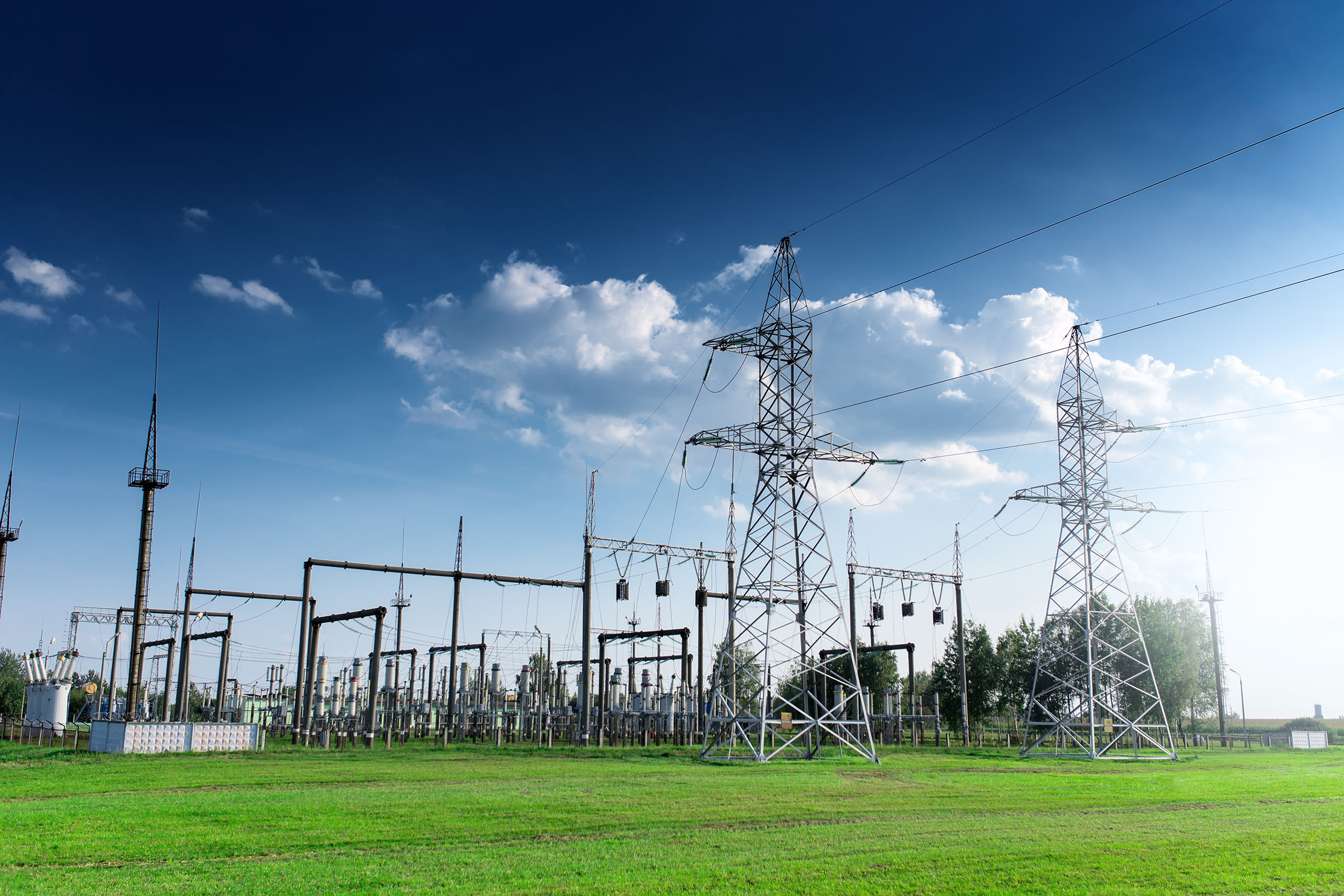
Mark Mariotti, Vice President of Strategic Accounts at ECAM, notes that traditional cameras merely document losses rather than preventing them. To bridge this gap, the company deploys mobile surveillance units equipped with solar power and self-contained connectivity. These units use AI to identify suspicious movement, allowing remote operators to issue live audio warnings or dispatch law enforcement in real time. This proactive model is already in use by major U.S. electric utilities, shifting the security focus from reactive incident reviews to preventing disruption at substations, solar arrays, and wind farms.



Comments (0)
No comments yet. Be the first!