
Automakers are shifting away from standalone pump components toward integrated thermal modules. As manufacturers move to replace single-circuit cooling with multiple independently controlled loops, the demand for sophisticated pumps that coordinate with sensors, valves, and heat exchangers has surged. This transition is particularly evident in passenger car production, which remains the largest segment for pump integration. Modern platforms now require dedicated circuits for turbocharger cooling, exhaust gas recirculation, and transmission lubrication to meet stricter efficiency and emission standards.
Automotive Pump Market Faces Moderate Growth Through 2035
The global automotive pumps market is set for a steady climb, moving from USD 31.11 billion in 2026 to an estimated USD 34.15 billion by 2035. This expansion reflects a compound annual growth rate of 1.0%, driven by increasing electronic complexity in vehicle thermal management systems.
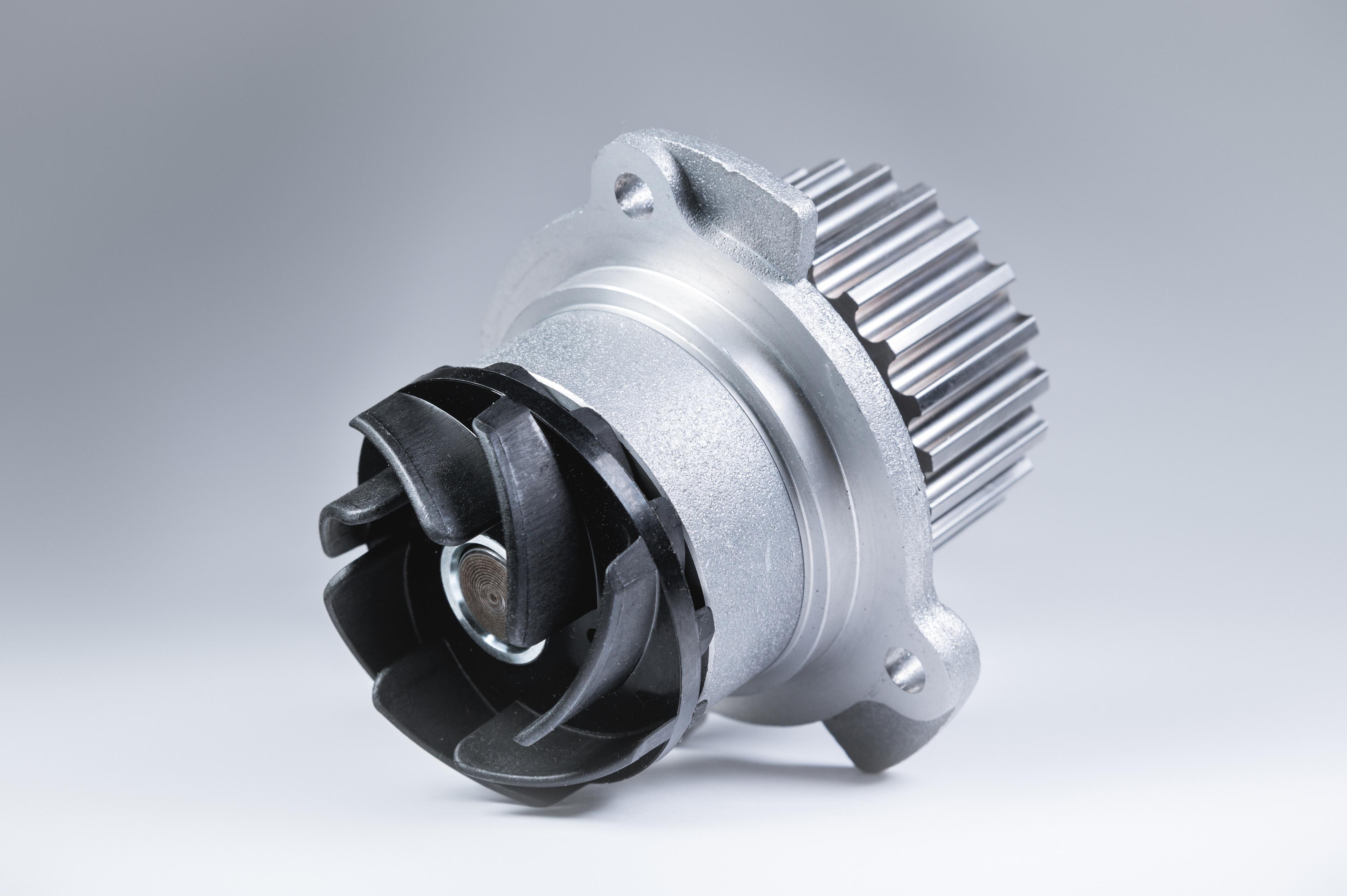
Engine and HVAC applications continue to anchor the market, accounting for the highest share of value. The industry is increasingly adopting demand-controlled electric coolant pumps, which allow for flow regulation independent of engine speed—a necessity for hybridized and start-stop architectures. Major industry players, including Robert Bosch, Denso, and Aisin, are pivoting to supply these complex systems to global OEMs. Meanwhile, North America is emerging as a significant growth hub, bolstered by a robust production mix of large SUVs and commercial trucks that require higher-capacity fluid circulation systems. General Motors' recent investments in gas-powered truck production in Ontario highlight the sustained demand for these heavy-duty components in the region.



Comments (0)
No comments yet. Be the first!