
The architecture hinges on two titanium-based components designed to solve the durability trade-offs inherent in flexible screens. A titanium-alloy film sits beneath the OLED panel, offering 20 times the mechanical stiffness of traditional polymer layers while measuring roughly one-third the width of a human hair. A secondary titanium plate reinforces the display module, ensuring the screen remains stable when flat but retains the elasticity required for thousands of cycles of folding.
Samsung Refines Foldable Tech With Titanium-Backed Displays
After seven generations of folding hardware, Samsung is moving to eliminate the persistent crease that defines the category. The new Flex Titanium display technology, set to debut in the Galaxy Z Fold 8 and Z Fold 8 Ultra, utilizes a titanium-alloy film to boost structural stiffness while drastically reducing component thickness.
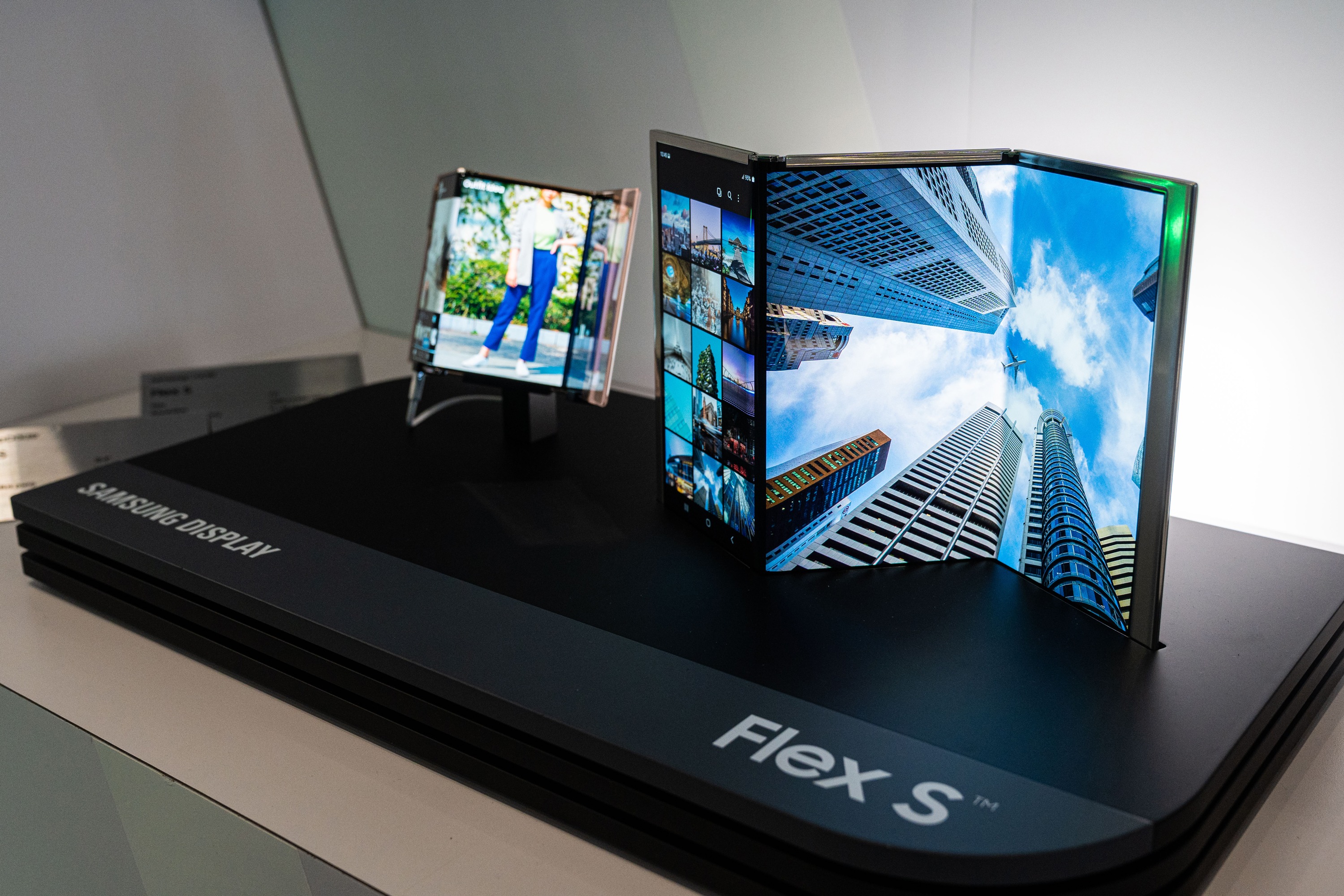
Beyond durability, the company claims the updated display stack improves power efficiency and visual resolution. By integrating these materials, Samsung aims to minimize the physical indentation that has plagued foldable devices since their inception. Given Samsung Display’s role as a primary supplier for Apple, these structural improvements could eventually migrate to rumored foldable iPhone models as the industry moves toward more seamless screen designs.



Comments (0)
No comments yet. Be the first!