
Traditional cognitive screening tools often struggle with cultural bias, administrative requirements, and ceiling effects that limit their clinical utility. The research showcased at AAIC 2026 highlights how Creyos, formerly Cambridge Brain Sciences, addresses these barriers by utilizing normative data collected from nearly 100,000 individuals across diverse demographics. By applying machine learning to tasks measuring visuospatial working memory and attention, the platform aims to provide objective, standardized results whether the test is administered in a memory clinic or a remote community setting.
Digital Cognitive Testing Debuts at AAIC 2026 to Track Brain Health
Two new studies presented at the Alzheimer's Association International Conference are leveraging Creyos digital assessments to detect cognitive decline in clinical settings and monitor neurological damage in rural firefighters exposed to chronic bushfire smoke, marking a shift toward scalable, environment-agnostic brain health monitoring.
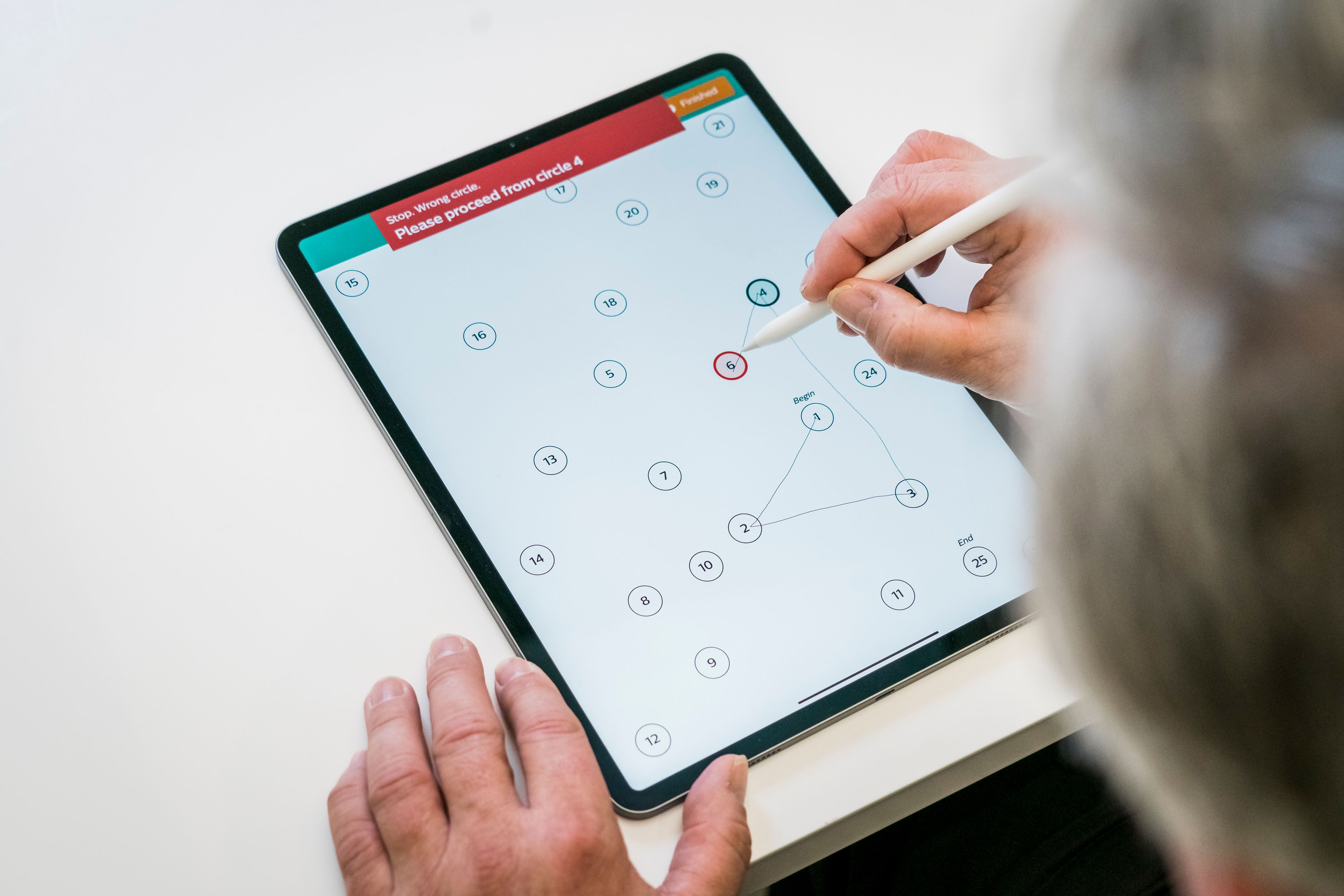
Adrian Owen, Chief Scientific Officer at Creyos and Professor at the University of Western Ontario, emphasizes that cognitive impairment remains a universal biological signal regardless of the patient's environment. The Creyos Dementia Protocol (CDP) study is currently tracking 400 participants across four stages of cognitive decline, following an earlier validation that achieved 100% sensitivity in identifying Alzheimer's patients. Simultaneously, the R-FIRE study led by Michelle Lupton at QIMR Berghofer is investigating the neurological risks of fine particulate matter exposure in over 1,800 Australian rural firefighters. By pairing cognitive data with biomarker analysis, these researchers hope to determine if repeated smoke inhalation accelerates brain aging or pathology.




Comments (0)
No comments yet. Be the first!