
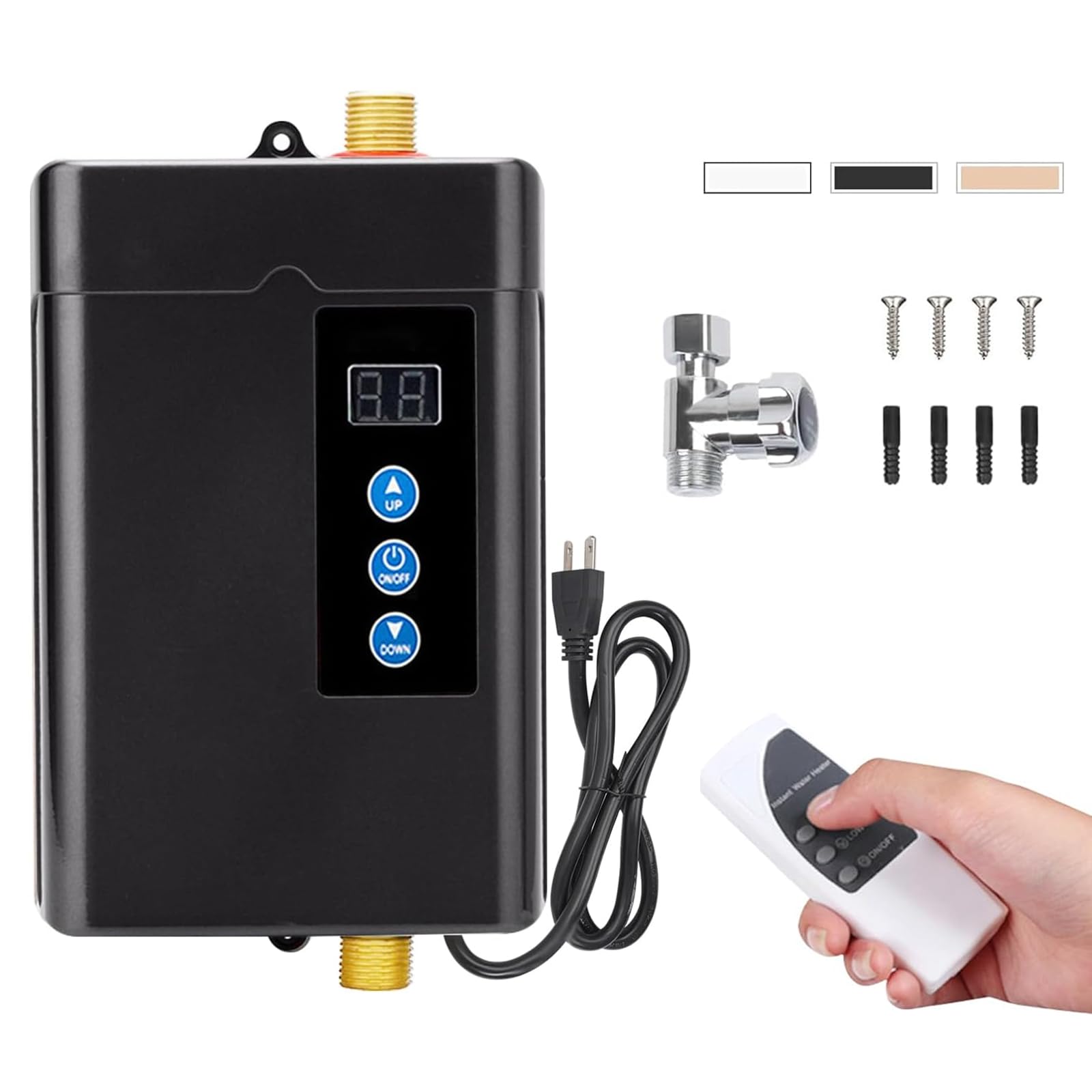
Tankless models heat water on demand rather than maintaining a constant supply, which cuts down on energy waste. This makes them attractive for smaller homes, though they demand a higher initial investment and complex installation that may involve upgrading gas lines or electrical systems. Conversely, traditional heaters rely on large storage tanks. While these units consume more energy by reheating water throughout the day, they provide a reliable flow for homes with multiple bathrooms and are generally easier to repair.
Tucson Homeowners Face a Choice: Tankless or Traditional Heaters
Tucson’s combination of high heat and mineral-heavy water forces homeowners to carefully weigh their plumbing investments. Geoff Faraci, owner of Plumbologist, suggests that while tankless systems promise long-term efficiency and durability, traditional storage tanks offer a more cost-effective and familiar solution for high-demand households.
Local water quality remains the deciding factor for longevity. Tucson’s hard water creates mineral buildup that can choke a tankless system's efficiency if not managed through rigorous descaling. Traditional tanks are not immune to sediment, but they are simpler to flush. Faraci notes that while traditional units typically last 10 to 12 years, a well-maintained tankless system can endure for two decades or more, potentially offsetting its higher upfront cost. Homeowners should evaluate their specific usage patterns and consult a professional before committing to a system, as preventive maintenance—such as checking anode rods or descaling heat exchangers—is the only way to ensure either model survives the desert climate.




Comments (0)
No comments yet. Be the first!