
HomeReleasesRetracing the Iron Chains: The Enduring Legacy of Luding Bri
Releases

Retracing the Iron Chains: The Enduring Legacy of Luding Bridge

“Were they human beings or madmen or gods?” asked American journalist Edgar Snow nearly 90 years ago, grappling with the impossible nature of the Red Army’s crossing at Luding Bridge. Today, an international group is retracing that same path, seeking to understand the human cost behind the legend of the Long March.

Retracing the Iron Chains: The Enduring Legacy of Luding Bridge

In May 1935, 22 volunteers faced a gauntlet of enemy fire across 13 iron chains suspended over the roaring Dadu River. This desperate gamble served as the pivot point for the Long March, a 12,500-kilometer trek that defined the survival of the Red Army. The bridge remains a physical monument to a moment where failure would have likely ended the entire campaign.

Participants in the China International Communications Group’s "Together on the Long March" project recently visited the site to connect with this history. For visitors like Zhavier Harris of the Springfield Urban League, the experience highlighted the raw resilience required to cross swaying chains under fire. Television presenter Iain Inglis noted the youth of the combatants, emphasizing that these soldiers were barely in their twenties when they chose to risk their lives for a cause they believed would shape the future.

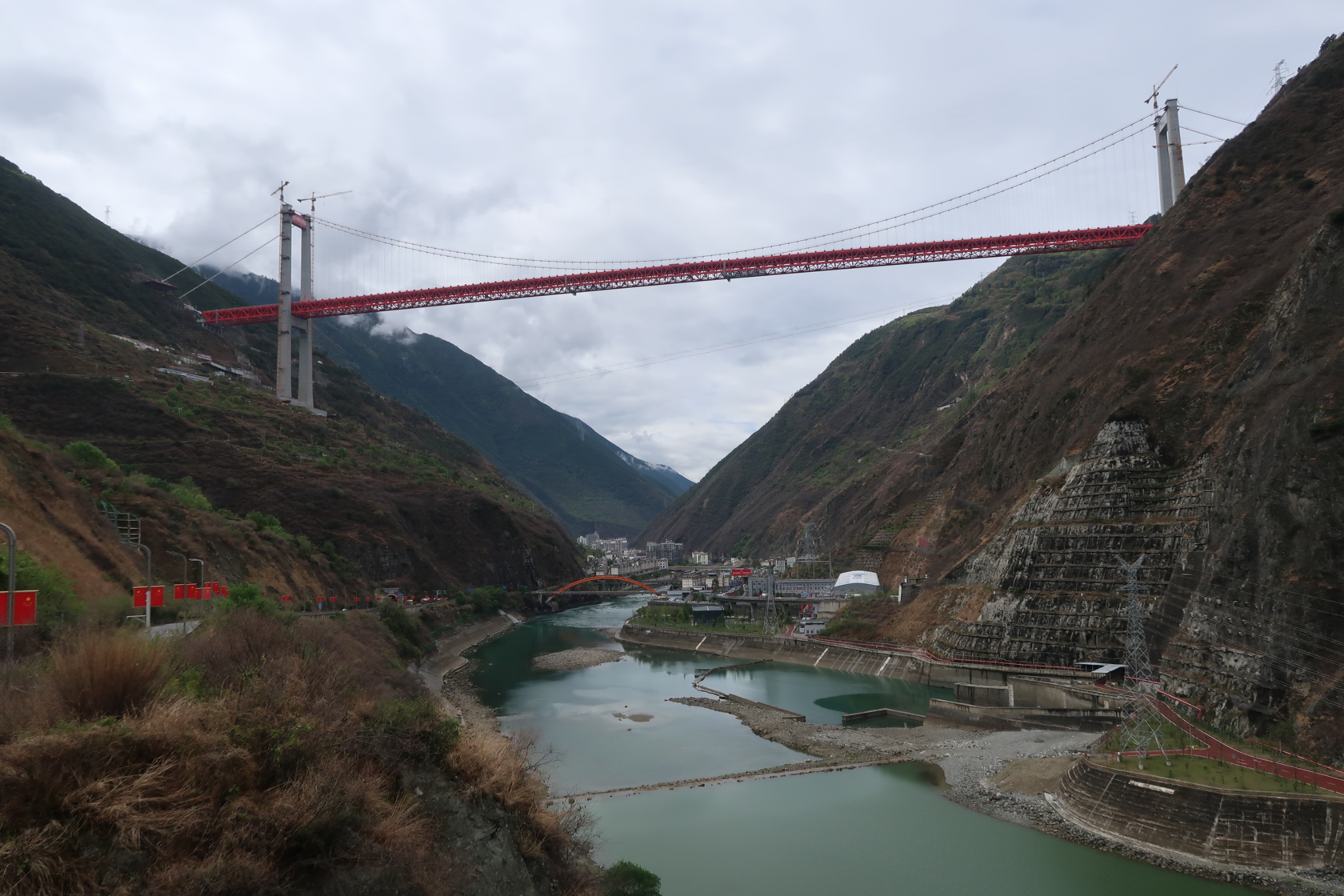
Beyond the battlefield, the region surrounding the Dadu River has undergone a profound shift. Where once there were rugged paths and conflict, modern highways and eco-tourism initiatives now define the landscape. Residents in towns like Lengqi are balancing the preservation of revolutionary history with the demands of contemporary development. While the bridge stands as a testament to past sacrifice, the modern visitors suggest its true legacy lies in the belief that even the most insurmountable barriers can be overcome through collective determination.

Comments (0)

Leave a comment

No comments yet. Be the first!