
Adam Bakonis, Homeowners Product Manager at Mercury Insurance, suggests that digital security tools require the same attention as traditional home systems like HVAC units or gutters. To maintain peak performance, homeowners should enable automatic firmware updates and replace batteries proactively rather than waiting for failure alerts. Furthermore, checking notification settings and verifying network connectivity after router upgrades remains essential to ensure alerts actually reach a smartphone.
Smart Home Tech Requires More Than Just Installation
Millions of homeowners rely on video doorbells, leak detectors, and smart locks for security, yet many fail to realize these systems demand regular upkeep. Mercury Insurance warns that treating connected devices as 'install-and-forget' tools leaves homes vulnerable, as even the most advanced sensors can fail without routine maintenance.
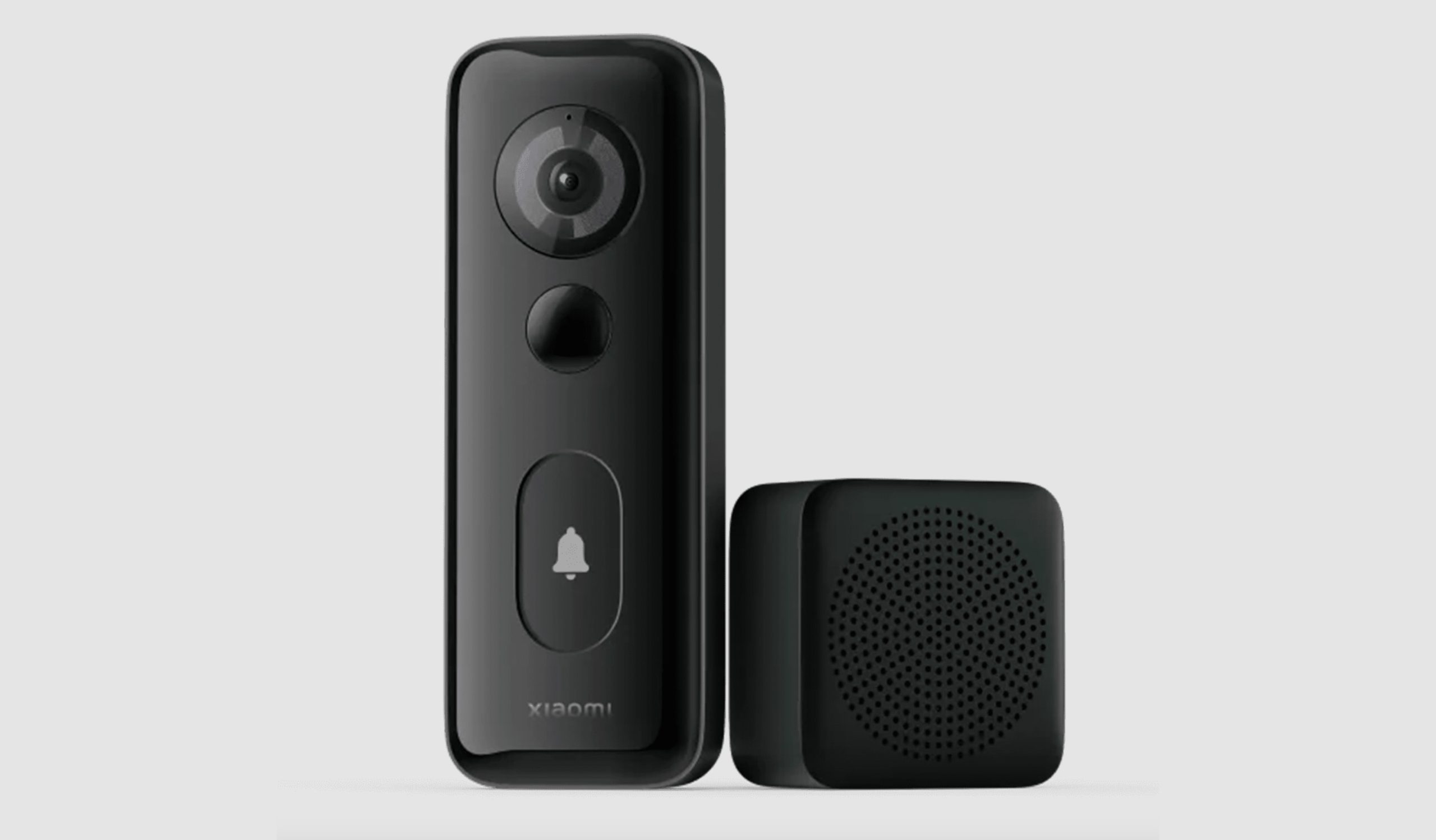
Beyond technical maintenance, security experts recommend an annual audit of the entire smart ecosystem. This involves removing unused devices, pruning outdated user access lists, and verifying that cloud storage settings remain active. Testing the physical hardware itself—rather than relying solely on app status icons—confirms that smoke alarms and leak sensors will trigger correctly during an emergency. Integrating these habits into a yearly home care routine ensures that smart technology serves as a reliable defense rather than a false sense of security.



Comments (0)
No comments yet. Be the first!