
The Paper Pure succeeds by doubling down on the writing feel. By omitting a front light, the device keeps the display surface exceptionally close to the pen tip, creating a tactile feedback loop that remains unmatched by competitors like the Apple Pencil Pro. Inside, the hardware receives modest but welcome upgrades: a dual-core processor, 2GB of RAM, and 32GB of storage. While these changes make navigating the interface snappier, the primary draw remains the third-generation Canvas screen. This customized 10.3-inch E Ink Carta 1300 panel offers a 20 percent contrast boost over its predecessor, the Remarkable 2, though its 226PPI resolution remains lower than modern high-end e-readers.
Remarkable Paper Pure: The closest digital experience to pen and paper
Distinguishing between a stylus on glass and ink on paper has never been harder. The Remarkable Paper Pure refines the digital notepad experience by prioritizing a high-friction, unlit display that mimics physical notebooks, proving that sometimes the best technological advancement is the one that leans into traditional simplicity.
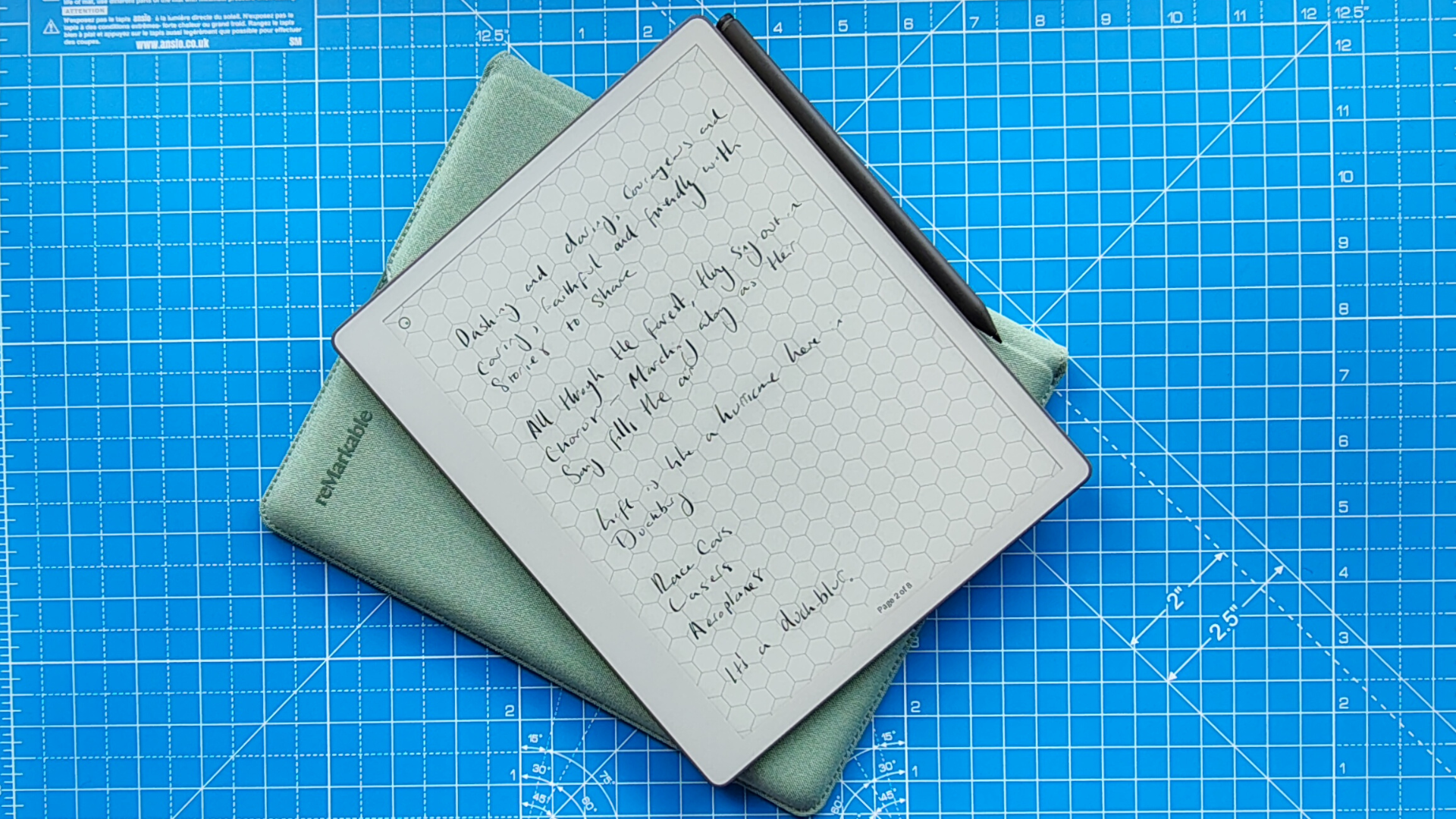
Design choices prioritize durability over thinness. The shift to an all-plastic back panel makes the device 44 grams lighter than the Remarkable 2, even if the chassis is slightly thicker. Notably, the device drops the contact pads required for the Type Folio keyboard, a move that may frustrate users who rely on the tablet for heavy typing. Software functionality is bolstered by new features, including AI-driven meeting summarization and the ability to convert saved webpages into editable, reformattable notebooks. These updates are also rolling out to older hardware, reinforcing the company's commitment to longevity. For those seeking a dedicated, distraction-free writing tool, the $399 Paper Pure is an elite choice, though current Remarkable 2 owners may find little reason to trade up.




Comments (0)
No comments yet. Be the first!