
This financial feedback loop effectively turns every dollar Nvidia invests into five dollars of hardware sales. While the strategy keeps revenue climbing, it creates a precarious house of cards dependent on perpetual growth. The stability of these neocloud providers hinges on the assumption that demand for data centers will never plateau. If the market cools, the collateral—thousands of specialized GPUs—may plummet in value, leaving lenders with aging hardware and mounting defaults.
The Recursive Economics of the Nvidia Chip Boom
Nvidia is fueling the AI data center gold rush by financing its own customers. Through a circular arrangement, the chipmaker invests billions into neocloud startups like CoreWeave, which then leverage that capital to purchase Nvidia hardware—using the very same chips as collateral to secure massive debt for further expansion.
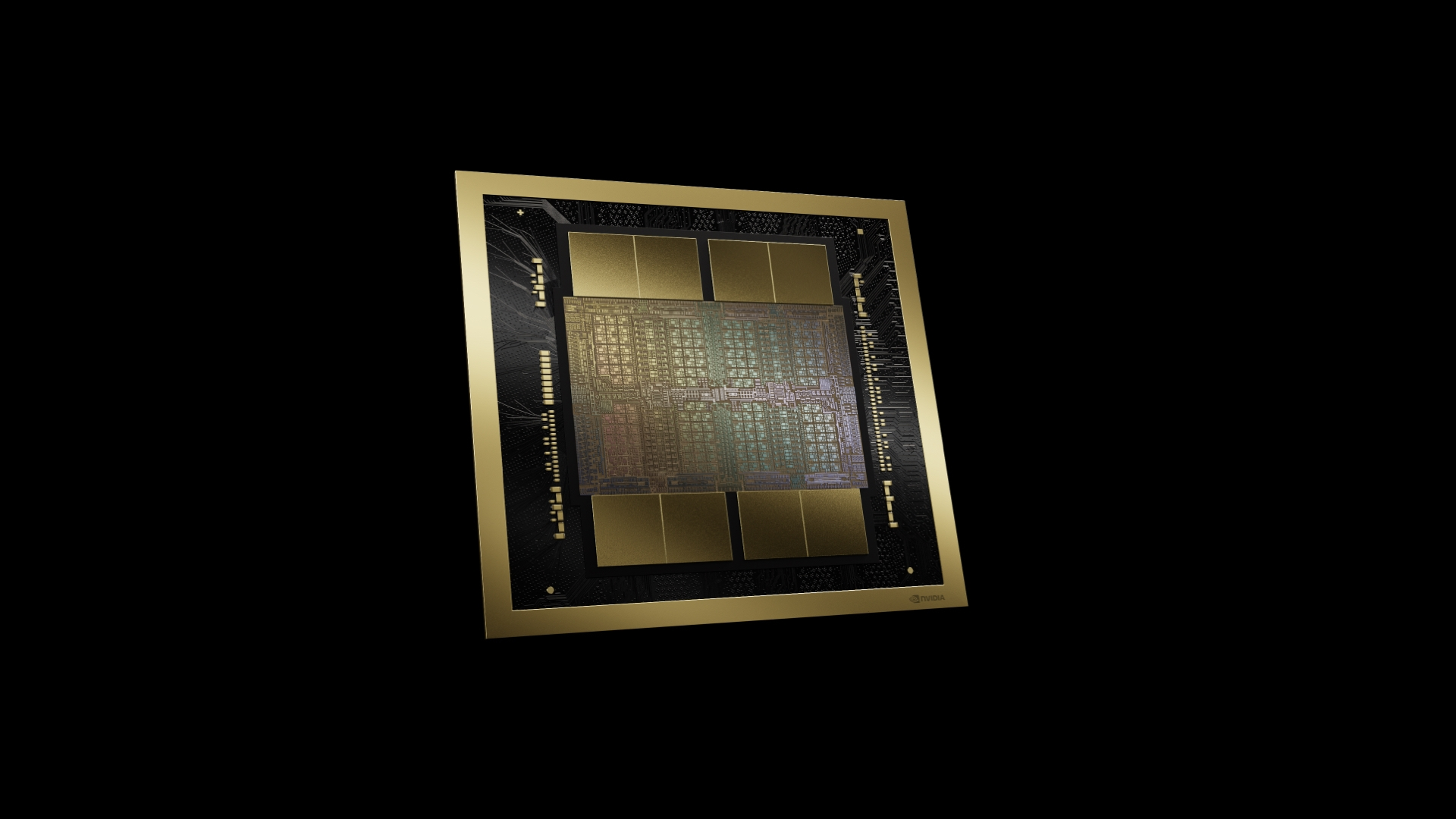
Nvidia maintains a vested interest in preventing a collapse. Because the vast majority of these GPU-backed loans rely on their own products as the primary asset, the company is incentivized to act as a backstop for the entire industry. This creates a dangerous concentration of risk. If Nvidia’s own growth engine falters or its chip valuation shifts, the ripple effect would threaten the solvency of the firms built entirely on the premise of buying its silicon. By tethering its balance sheet to the debt-laden expansion of its customers, Nvidia has effectively become the insurer of its own customer base, ensuring that if the sector fails, it will suffer alongside them.



Comments (0)
No comments yet. Be the first!